
The Ultimate Guide for Barn Use
- Marlon Bellen

- Jan 19, 2025
- 3 min read
Wood shavings are sometimes overlooked in barn maintenance, but they offer a wealth of benefits. While hay and straw are popular options, wood shavings can significantly improve animal comfort and barn hygiene. This guide reveals the advantages of wood shavings, practical usage tips, and details on selecting the right type for your barn.
Understanding Wood Shavings
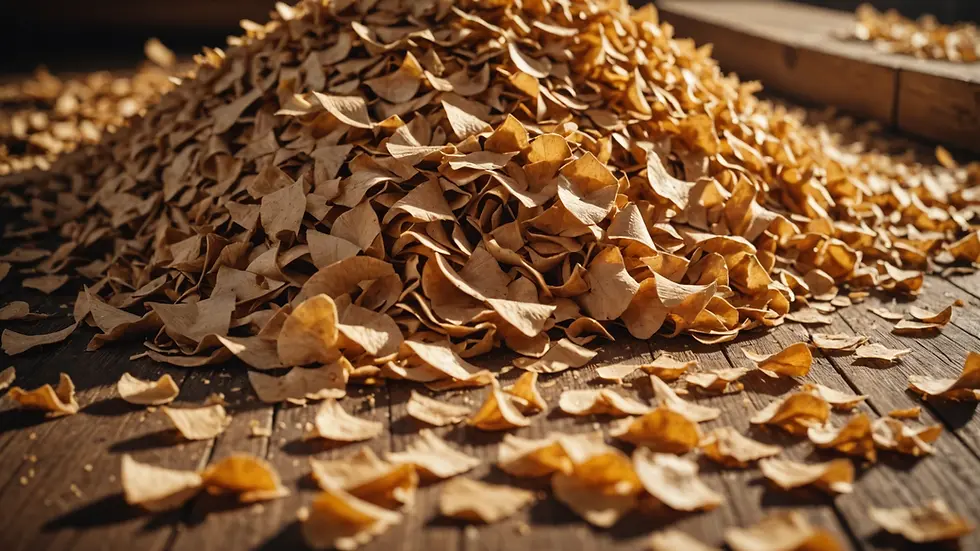
Wood shavings are created by shaving or planing logs, resulting in a versatile bedding material. The size can vary, ranging from fine dust particles to larger chunks resembling small sticks. Common types of wood used include pine, cedar, and hardwoods, each impacting absorbency and scent differently. For example, pine shavings typically carry a fresh, clean scent, while cedar shavings are noted for their aromatic properties.
Advantages of Wood Shavings for Barn Use
Absorbency
One standout benefit of wood shavings is their remarkable ability to absorb moisture. They can absorb up to three times their weight in liquid. This quality keeps your barn dry and helps prevent bacterial infections among livestock, contributing to healthier living conditions.
Comfort for Animals
Wood shavings create a soft, cushioned surface for animals. This is especially important for older or recovering animals since a comfortable bedding environment can reduce the risk of injuries. Research suggests that horses resting on softer surfaces can lower the pressure on their joints by approximately 30%.
Odor Control
The natural scents of wood shavings, notably cedar and pine, can effectively neutralize unpleasant smells in the barn. Studies indicate that cedar shavings can reduce ammonia levels by about 40%, creating a better environment for both animals and caretakers.
Pest Resistance
Cedar shavings particularly shine in pest resistance. Their natural oils repel harmful insects, helping to keep pests at bay without harmful chemicals. This natural defense is essential in preventing stress and illness in animals.
Choosing the Right Type of Wood Shavings
Pine Shavings
Pine shavings are a widely favored choice in barns, thanks to their affordability and availability. They offer excellent absorbency and a pleasant scent, effectively minimizing odor. Many barn owners appreciate that they are often less expensive than alternatives, with prices ranging from $5 to $10 per bag.
Cedar Shavings
Cedar shavings provide strong pest-repelling qualities and a lovely aroma. However, it’s crucial to approach their use with caution, particularly with certain animals. Some horses can have sensitivities to cedar, so consulting a veterinarian is wise before making a switch.
Hardwood Shavings
Hardwood shavings, like those from oak or maple, are known for their durability and absorbency. While they may lack strong aromas, they break down slowly, making them ideal for high-traffic areas in the barn. Their longevity can save you money over time, as you will need to replace them less frequently.
How to Use Wood Shavings Effectively
Preparing the Barn
Start with a clean slate: remove old bedding, waste, and any damp materials. This step is vital to prevent mold growth and maintain a healthy environment for your animals.
Layering
Create a base layer of shavings about 3 to 4 inches thick. This depth allows for optimal moisture absorption and provides necessary comfort and insulation for your animals.
Regular Maintenance
Keep the bedding fresh by routinely removing soiled shavings. A good practice is to change the bedding every one to two weeks, depending on the number of animals and weather conditions. Regular upkeep ensures hygiene and helps eliminate any lingering odors.
Rotating Shavings
Consider rotating shavings among the different stalls. This practice can extend the life of your bedding and keep odors at bay. It also helps you monitor which areas require more frequent maintenance.
Potential Concerns with Wood Shavings
Dust Issues
Be mindful of dust generated by fine shavings. This dust can irritate the respiratory systems of both animals and humans. Opt for shavings that have been properly processed, and consider dust-reduction methods before use.
Cost Consideration
While wood shavings may sometimes be pricier than straw or hay, their absorbency and durability often lead to lower long-term costs. Many users report that shavings provide better value, as they last significantly longer when maintained correctly.
Compatibility with Animals
Different animals may react differently to wood shavings. Monitor your animals closely after introducing new bedding, especially with cedar shavings, to ensure they remain comfortable and healthy.
Final Thoughts
Wood shavings are a valuable bedding option that enhances animal comfort and barn hygiene. By choosing quality shavings and maintaining them properly, barn


Comments